
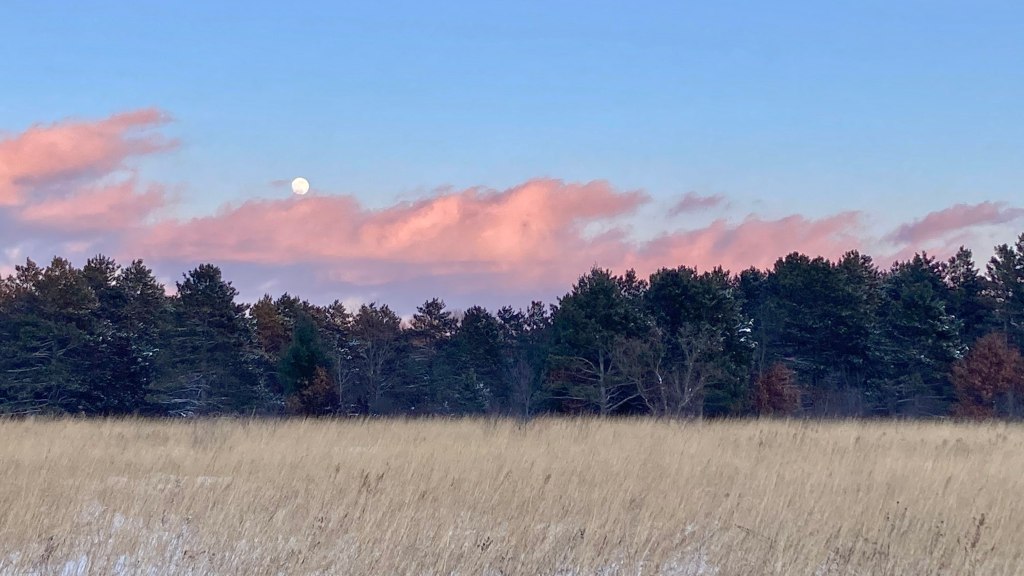
We’re tromping through the snow on a Sunday afternoon. Cold air, pink sky. Around us the world is silent and still. It’s 4:07pm and already the sun is beginning to set. The shortest day has come to an end.
As it spins through the galaxy, the Earth leans on its axis, 23.5-degrees. That slightest lean means all the difference between warm summer days, sun on the back and toes in the soft, brown dirt – that and the cold bite of winter, frozen breath before your face and wind whipping loudly through the now leafless trees. For those of us in the northern hemisphere, we are as far away from the sun as possible on December 21, the day of the winter solstice.

This is the night when the Norse goddess Frigga gave birth to Baldur, the god of joy and light. It is also the night when St. Lucia brought food to Christians hiding in the Roman catacombs, wearing a wreath of candles on her head to light the way. Orion the Huntsman is shining bright, and the midnight sky is dark and clear.
The winter solstice is celebrated by many different cultures around the world with stories, festivities, and quiet moments of gathering, almost always filled with light.
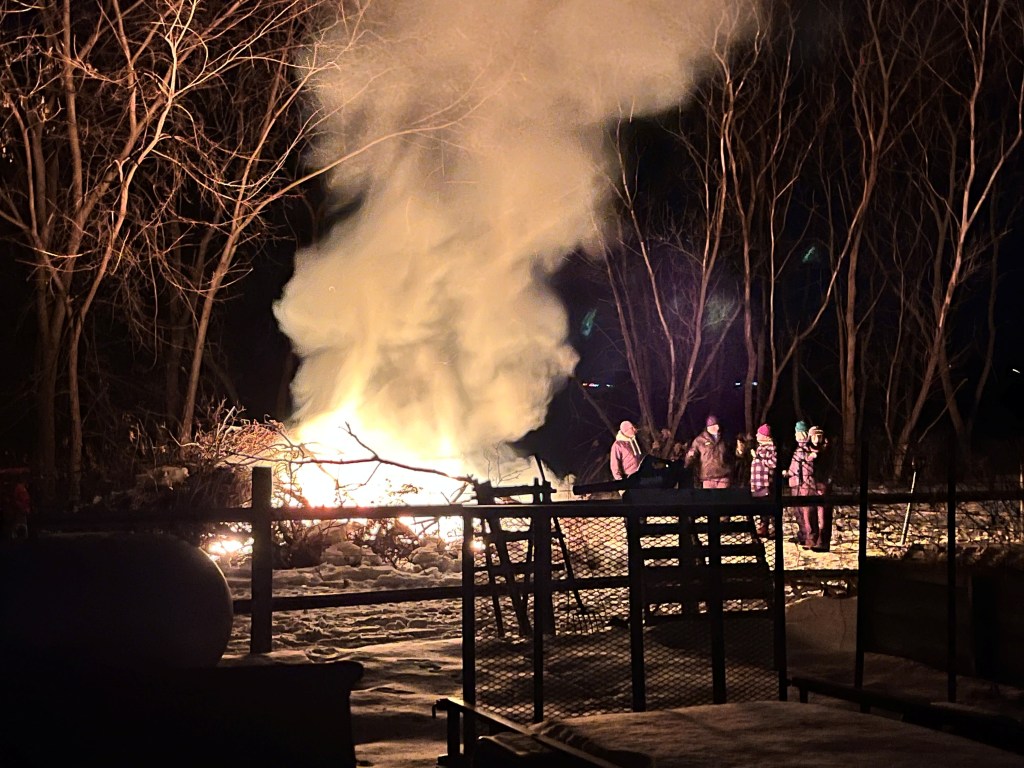
For the Anishinaabe, Biboon (winter) is a time to share sacred stories, sing songs, and learn new teachings. In Dakota culture, winter solstice marks the time to begin gathering red willow (eastern dogwood) to make traditional tobacco that is used in ceremonies. In England, thousands of people gather at Stonehenge each solstice to drum, dance, and loudly cheer for the sun. The famous circle of boulders was built in stages between 3000 and 1500 BC to perfectly frame the summer solstice sunrise, and the winter solstice sunset.
Though plants and animals don’t commemorate the winter solstice the same way as people, they do recognize and respond to the changes in warmth and daylight. As the days gradually begin to get longer, it’s a cue to birds to begin singing and establishing territories for mating. For trees and plants, the increase in daylight initiates a shift in emphasis, from surviving the winter to preparing for spring and eventual rebirth.
Even now, when the light is dim and the air bitter cold, important changes are underway. Native plants like milkweed, purple coneflower, false indigo, black-eyed susans, dogwood, and redbud require cold temperatures to end their dormancy and germinate in the spring. Without the winter, there would be no summer’s prairie.

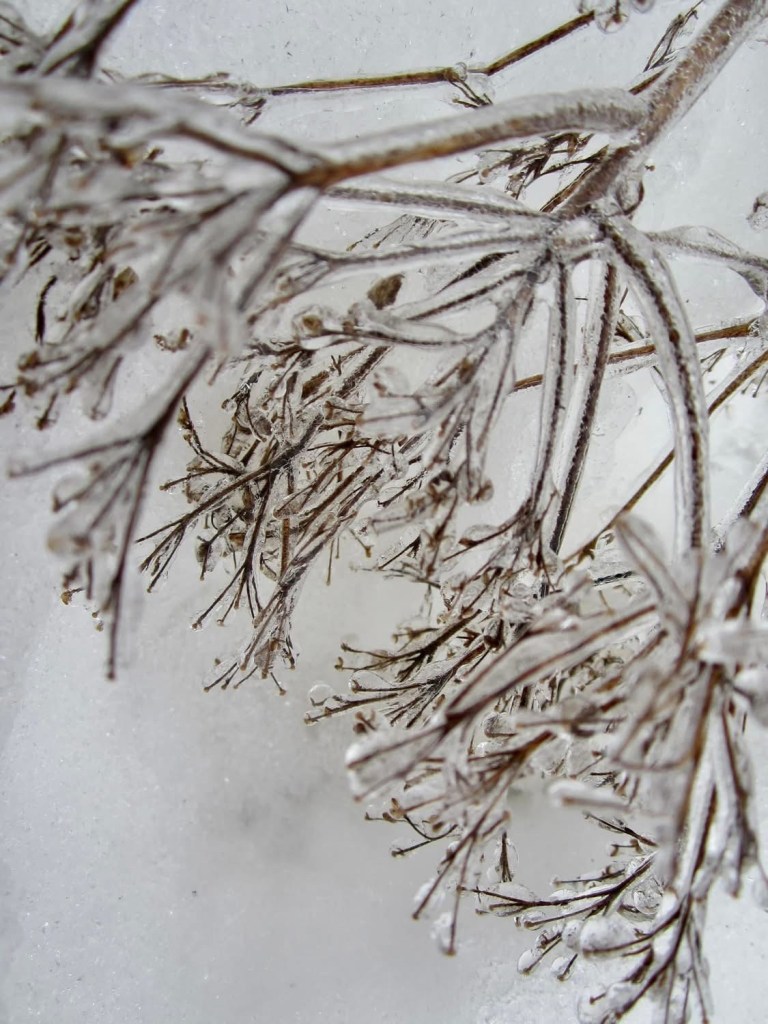
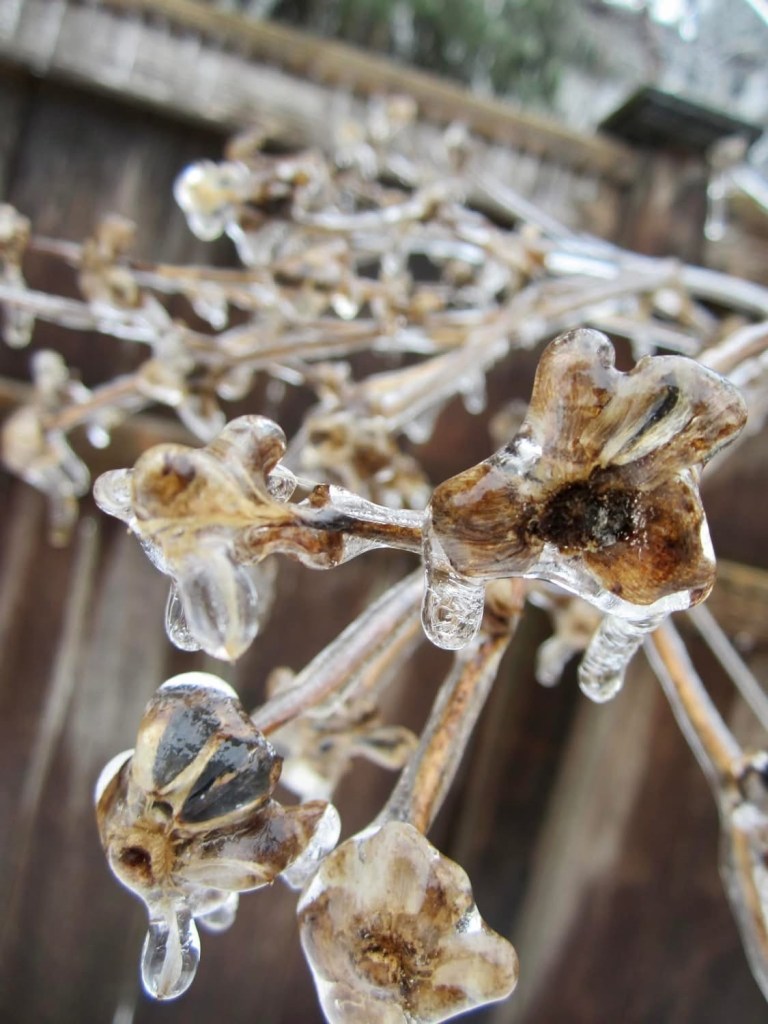
Apple trees, including native crab apples, need a long dose of cold to produce good fruit in the coming year. Bluebells and other bulbs rely on winter to reset their internal clocks and produce flowers in the spring. The cold weather also kills or slows the reproduction of many insects, ticks, and bacteria that harm our trees and plants.
Already, the days are beginning to get longer. Today the sunset is 4:35pm. By New Years Day, it will be 4:42pm.
The darkest days of winter are a time to rest and renew. Gather together with the people that you love. Surround yourself with light, and grow into the new year.


